
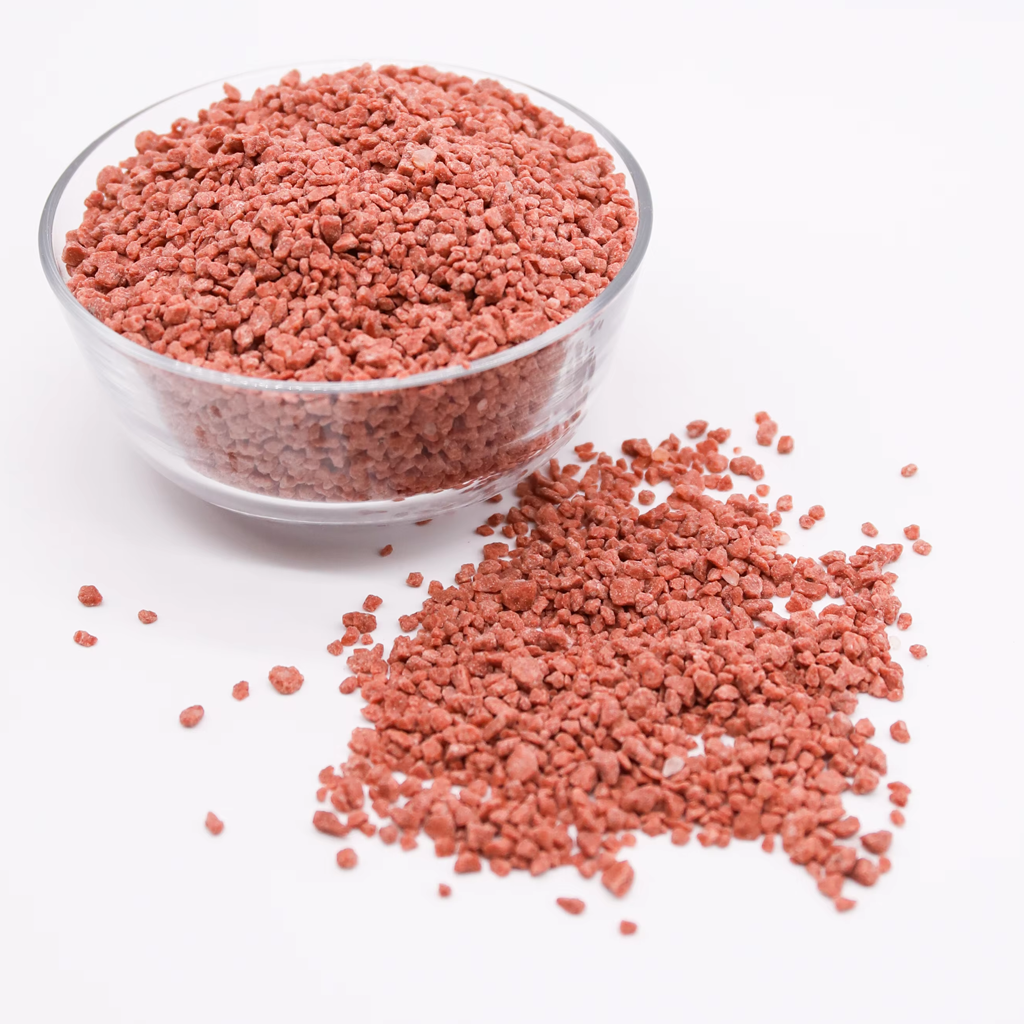
MOP (Muriate of Potash)
- Potassium (K₂O): 60% – 62%
- Chemical Formula: KCl
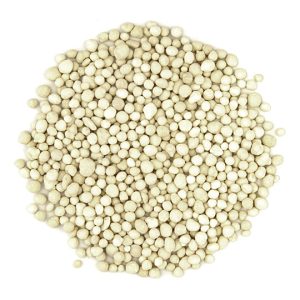
- Appearance: White, pink, or red crystalline granules
- Solubility: Highly water soluble
- Chloride Content: High
- Moisture: ≤ 0.5%
- Application: Soil application, fertilizer blends
- Suitable Crops: Cereals, sugarcane, oilseeds (chloride-tolerant crops)
- Note: Not ideal for chloride-sensitive crops
- Packaging: 25kg / 50kg bags (customizable)
MOP (Muriate of Potash), also known as Potassium Chloride (KCl), is one of the most widely used and cost-effective sources of potassium in agriculture. It contains a high concentration of potassium, an essential macronutrient that plays a critical role in plant metabolism, photosynthesis, water regulation, and enzyme activation.
Potassium supplied by MOP improves crop strength, enhances resistance to diseases and pests, and increases tolerance to drought and stress conditions. It also contributes to better fruit quality, size, color, and shelf life.
MOP is suitable for a wide range of field crops such as cereals, sugarcane, and oilseeds, particularly those that are tolerant to chloride. It is commonly used as a base fertilizer or in combination with nitrogen and phosphorus fertilizers to achieve balanced crop nutrition. For best results, it is applied directly to the soil before planting or during early growth stages.
Nutrient Composition Table
| Component | Content (%) | Function in Plants |
|---|---|---|
| Potassium (K₂O) | 60% – 62% | Enhances growth, yield, and stress resistance |
| Chloride (Cl) | 45% – 47% (approx.) | Supports osmotic balance (in small amounts) |
| Moisture | ≤ 0.5% | Ensures product stability and shelf life |
Physical & Chemical Properties
| Property | Specification |
|---|---|
| Chemical Formula | KCl |
| Appearance | White, pink, or red granules |
| Solubility | Highly water soluble |
| Density | ~1.9 g/cm³ |
| pH (Solution) | Neutral to slightly acidic |
Application Guidelines
| Application Method | Recommended Use |
|---|---|
| Soil Application | Basal or top dressing |
| Fertilizer Blends | Commonly mixed with N & P fertilizers |
| Timing | Before planting or early growth stages |
Be the first to review “MOP (Muriate of Potash)”
Related products
FERTILIZERS
FERTILIZERS
FERTILIZERS
FERTILIZERS
FERTILIZERS
FERTILIZERS
FERTILIZERS
FERTILIZERS
Reviews
There are no reviews yet.