
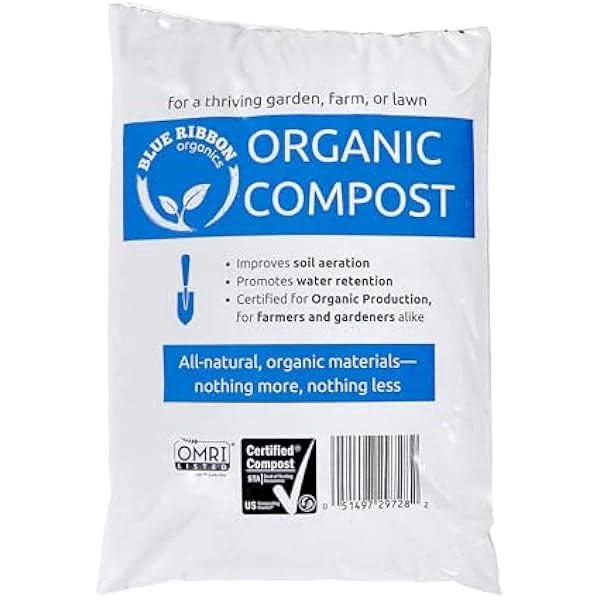
Compost Fertilizer
- Type: Organic soil conditioner and fertilizer
- Source: Decomposed plant and organic waste
- Nutrient Release: Slow and long-term
- Form: Loose or granular compost
- Application: Soil application
- Suitable Crops: All crops (vegetables, fruits, cereals)
- Benefit: Improves soil fertility and structure
- Environmental Impact: Sustainable and eco-friendly
- Key Advantage: Enhances soil microbial activity
- Packaging: Bulk / 25kg / 50kg bags (customizable)
Compost is a natural organic fertilizer produced through the controlled decomposition of plant residues, food waste, and other organic materials. It is rich in organic matter and beneficial microorganisms that improve soil fertility, structure, and long-term productivity.
Compost slowly releases nutrients into the soil, ensuring steady plant growth while enhancing soil health. It improves soil aeration, increases water retention, and supports strong root development. It is widely used in organic farming and sustainable agriculture as a soil conditioner and nutrient booster.
Compost is suitable for all types of crops and is especially beneficial for improving degraded or nutrient-poor soils. It can be applied directly to fields, gardens, and plantations.
Nutrient & Soil Benefit Table
| Component / Benefit | Effect on Soil & Plants |
|---|---|
| Organic Matter | Improves soil structure and fertility |
| Nitrogen (N) | Supports healthy vegetative growth |
| Phosphorus (P) | Enhances root development and flowering |
| Potassium (K) | Improves plant strength and yield quality |
| Microorganisms | Boost soil biological activity |
Physical & Application Properties
| Property | Specification |
|---|---|
| Form | Dark brown/black decomposed material |
| Odor | Earthy smell |
| Solubility | Slow release |
| Moisture | Moderate (depends on type) |
| Application Method | Soil incorporation or top dressing |
| Safety | Eco-friendly and non-toxic |
Be the first to review “Compost Fertilizer”
Related products
FERTILIZERS
FERTILIZERS
FERTILIZERS
FERTILIZERS
FERTILIZERS
FERTILIZERS
FERTILIZERS
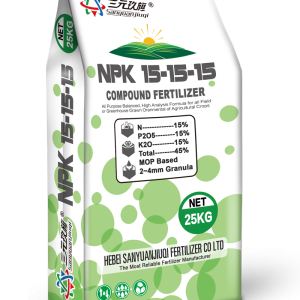
FERTILIZERS
Reviews
There are no reviews yet.